
Blood Glucose Monitoring Understand Your Numbers. Support Your Health.
Blood glucose monitoring provides information about the amount of glucose in your blood at the time of testing. At Prudent Healthcare LLC, glucose monitoring can support appropriate health assessment, ongoing monitoring, preventive conversations, and informed discussions about your individual healthcare needs.

What Is Blood Glucose Monitoring?
Blood glucose monitoring measures the concentration of glucose in the blood at a particular time. Glucose is an important source of energy, and blood glucose levels can change throughout the day.
Measurements may be influenced by food, physical activity, medications, illness, stress, timing, and other individual factors. For that reason, a glucose result should be considered in context rather than viewed as an isolated number.
Depending on your healthcare needs, your provider may review a glucose reading as part of routine care, preventive assessment, ongoing monitoring, or evaluation of another health concern.
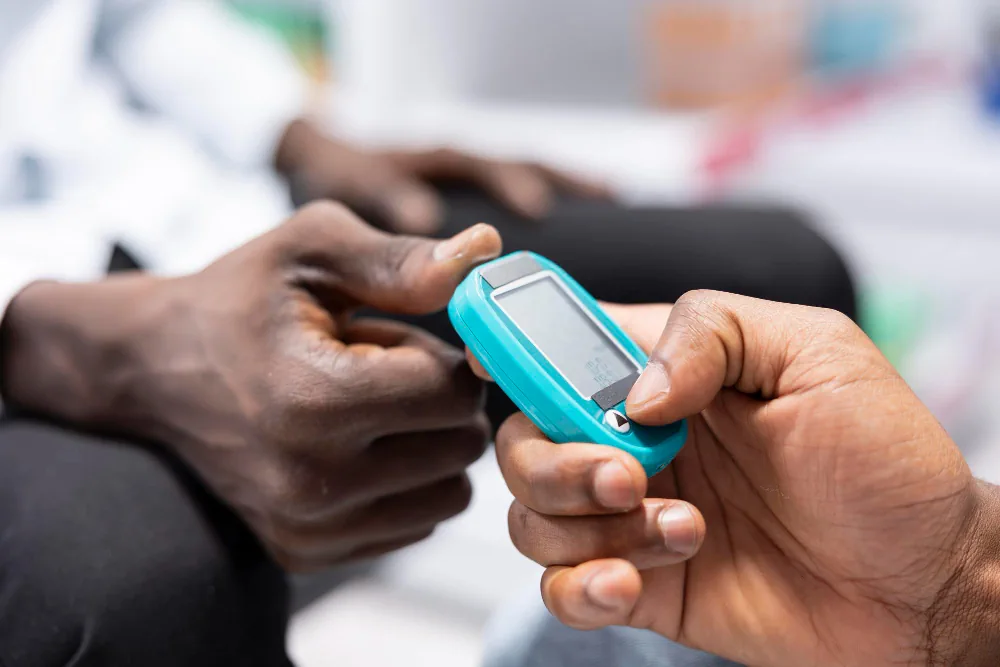
Understanding Your Glucose Monitoring Needs
Monitoring is most useful when the result is considered together with your health history, symptoms, medications, and reason for testing.
Who May Need Glucose Monitoring?
Blood glucose monitoring may be appropriate for people whose healthcare provider recommends glucose assessment, ongoing monitoring, preventive evaluation, or follow up based on individual health information and risk factors.
When Should Glucose Be Checked?
The appropriate timing depends on why monitoring is being performed. Your provider may recommend a particular time or pattern of testing depending on your individual healthcare needs and monitoring plan.
Why Is Blood Glucose Monitored?
Monitoring can provide information about blood glucose at a particular moment and may help your provider identify patterns, changes, or results that deserve additional discussion or follow up.
How Is Blood Glucose Checked?
One method uses a small blood sample obtained from a fingertip and a glucose meter to produce a reading. The appropriate testing method depends on the purpose of monitoring and your healthcare plan.
Where Can Monitoring Take Place?
Blood glucose may be checked during an appropriate healthcare visit or monitored outside the practice when recommended. Contact Prudent Healthcare LLC to confirm appointment arrangements and service availability.
What Does a Glucose Reading Mean?
A reading provides information about blood glucose at that moment. Its significance depends on timing, food intake, medications, symptoms, previous readings, and other individual factors.
What Blood Glucose Monitoring May Involve
The exact monitoring approach depends on your individual health needs and the reason glucose is being assessed.
Health History Review
Your provider may review medical history, medications, previous glucose information, current concerns, and relevant risk factors before interpreting a reading.
Glucose Measurement
When appropriate, a blood glucose reading may be obtained using a suitable glucose monitoring method for the purpose of your visit.
Timing Review
The timing of a glucose reading can matter. Your provider may ask when you last ate, when medications were taken, or other information relevant to interpreting the result.
Pattern & Trend Review
When multiple readings are available, reviewing patterns over time may provide more useful information than relying on one isolated measurement.
Health Education
Your provider can explain how timing, meals, activity, medication, and other health factors may relate to glucose monitoring.
Follow Up Planning
Depending on your readings and healthcare needs, your provider may discuss continued monitoring, another healthcare service, or additional evaluation.
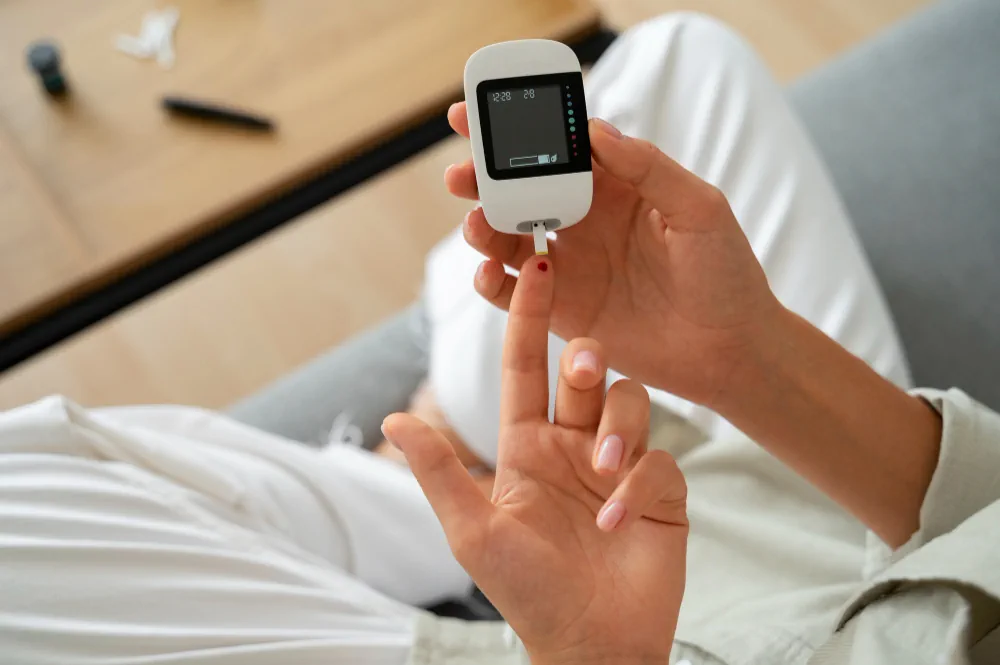

Blood glucose can change based on timing, food intake, physical activity, medications, illness, stress, and other factors. A single unusual result does not by itself establish a diagnosis. Your provider can determine whether repeat monitoring or additional evaluation is appropriate.
How Blood Glucose Monitoring May Work
Monitoring should be connected to a clear healthcare purpose. The process may include measuring glucose, reviewing relevant information, and discussing what comes next.
Review Why You Are Monitoring
Discuss whether glucose is being checked as part of screening, ongoing monitoring, preventive care, or another healthcare concern.
Obtain the Reading
An appropriate glucose measurement is obtained using the planned monitoring method and relevant preparation.
Review the Result in Context
Your provider may consider timing, meals, medications, symptoms, activity, previous readings, and health history.
Discuss Next Steps
Depending on the situation, next steps may include continued monitoring, preventive care, follow up, education, or additional evaluation.

Prepare for More Useful Glucose Monitoring
Providing accurate information helps your healthcare provider understand your reading in the context of your overall health and monitoring needs.
- Bring an up to date list of medications, supplements, and known allergies.
- Bring previous glucose readings or monitoring records if requested.
- Tell your provider when you last ate or drank if that information is relevant to your planned test.
- Discuss recent medication changes, illness, symptoms, or other factors that may influence your glucose reading.
- Follow any specific testing instructions provided by the practice.
- Do not fast or change prescribed medication unless your healthcare provider specifically instructs you to do so.
Blood Glucose Monitoring FAQs
Find answers to common questions about blood glucose monitoring, glucose readings, testing, preparation, and follow up.
What is blood glucose monitoring?
Blood glucose monitoring measures the concentration of glucose in your blood at a particular time. The result can provide useful information for screening, health assessment, or ongoing monitoring depending on your individual healthcare needs.
Why might my blood glucose need to be checked?
Blood glucose may be checked as part of preventive care, health screening, ongoing monitoring, or another healthcare assessment when appropriate. Your provider can explain why glucose monitoring may be relevant based on your health history, symptoms, previous results, and individual risk factors.
How is a blood glucose reading obtained?
One common method uses a small blood sample from a fingertip and a glucose meter to produce a reading. The method used depends on the purpose of monitoring and your healthcare plan.
Does one high blood glucose reading mean I have diabetes?
Not necessarily. One blood glucose reading by itself does not automatically establish a diagnosis. Food intake, timing, medications, illness, stress, activity, and other factors can affect glucose. Your healthcare provider can determine whether repeat testing or additional evaluation is appropriate.
Do I need to fast before a blood glucose check?
Not every glucose measurement requires fasting. Whether fasting is appropriate depends on the test being performed and the purpose of monitoring. Follow the instructions provided by your healthcare provider and do not fast unless you have been told to do so.
Can food and activity affect my glucose reading?
Yes. Food intake, physical activity, medications, illness, stress, timing, and other factors can influence blood glucose. This is why your provider may ask about the circumstances surrounding a reading when interpreting the result.
Can I bring my home glucose readings to an appointment?
Yes. If you have been monitoring glucose outside the practice, bringing your readings or monitoring record may help your provider review patterns and discuss your results in context. Bring the information requested by the practice.
How often should blood glucose be monitored?
Monitoring frequency varies according to the reason glucose is being checked and your individual healthcare needs. Your healthcare provider can recommend an appropriate schedule when ongoing monitoring is needed.
Is blood glucose monitoring part of chronic disease management?
Blood glucose monitoring may be used as part of ongoing care when clinically appropriate. Prudent Healthcare LLC also offers Chronic Disease Management. The specific monitoring plan should reflect your individual condition, treatment plan, and provider recommendations.
How do I book blood glucose monitoring with Prudent Healthcare LLC?
Visit the Book an Appointment page to request a visit. You can also contact Prudent Healthcare LLC at 409-256-0877 to ask about scheduling, patient eligibility, appointment location, service availability, and any preparation needed before your blood glucose monitoring appointment.
Need Help Monitoring Your Blood Glucose?
Connect with Prudent Healthcare LLC to discuss your monitoring needs, review your health information, and request an appointment.